
Guides for the GLP-1 journey
Plain-English, no-hype articles about tracking GLP-1 medications well: schedules, levels, side effects, and the habits that make the data worth keeping. Educational only, never medical advice.
Choosing a tracker

The Best GLP-1 Tracker App for iPhone: What Actually Matters
Titration ladders, level curves, privacy labels. A practical checklist for choosing a shot tracker.
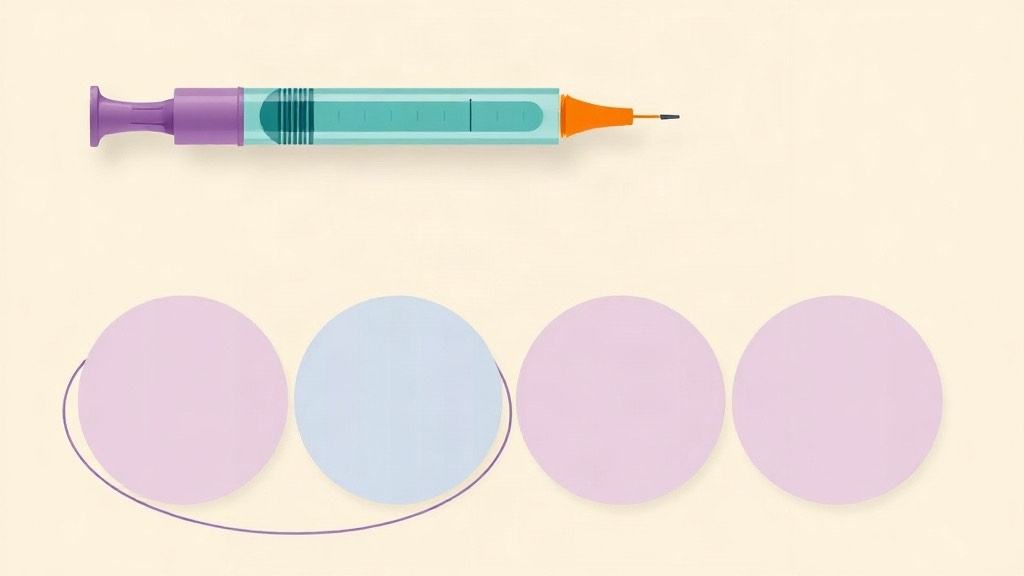
GLP-1 Shot Tracker: How to Track a Weekly Injection Well
The five things worth recording at every shot, and why paper calendars quietly fail by week six.

Why Your GLP-1 Data Should Stay on Your Phone
Weight, medication and appetite are sensitive data. The case for a tracker with no account and no server.

The Widget Effect: Staying Consistent with Your Shot Schedule
Why putting the next dose on your home screen changes behavior, according to habit research.
Medication guides

Ozempic Tracker: Doses, Levels and Side Effects in One Place
Tracking weekly semaglutide: the 0.25 to 2.0 mg ladder, shot-day rituals, and what to log.

Wegovy Dose Schedule: The Five-Step Titration, Tracked
From 0.25 to 2.4 mg over five stages: what each step feels like and how to keep your place.

Mounjaro Tracker: Making Sense of Weekly Tirzepatide
Six dose steps, a dual-hormone mechanism, and the numbers worth watching week to week.

Zepbound Tracker: Shots, Weight and the Long Game
Tracking tirzepatide for weight loss: titration, plateaus, and the data your prescriber wants.

Tracking Rybelsus: Daily Oral Semaglutide and Its Rules
The empty-stomach rule, the 30-minute wait, and why a daily tablet needs a different tracking rhythm.

Daily GLP-1 Injections: Tracking Saxenda and Victoza
Liraglutide's short half-life makes daily consistency matter more. Habits and logs that help.

Tracking Compounded Semaglutide: Extra Care, Extra Notes
Units versus milligrams, changing concentrations, and why careful logging matters even more here.

Switching GLP-1 Medications: Tracking Through the Transition
Ozempic to Mounjaro, Wegovy to Zepbound: what changes in your schedule, levels and logs.
Trulicity Tracker: Weekly Dulaglutide, Tracked Well
Weekly dulaglutide with a four-step ladder and a three-day missed-dose rule. Tracked well in minutes.

Foundayo (Orforglipron): The Daily GLP-1 Pill, Explained
The first daily GLP-1 pill without food or water rules, and how to track it starting today.
New and on the horizon

CagriSema: What to Know About Semaglutide Plus Cagrilintide
Semaglutide plus an amylin analogue: what the trials show and where approval stands as of August 2026.

Retatrutide: What to Know About the Triple Agonist
The triple agonist behind 2026's biggest trial numbers, its honest timeline, and a gray-market warning.
Doses, levels and the science

Semaglutide Half-Life: Understanding Your Medication Level
Why the shot you took three weeks ago is still working, and what a level curve really shows.
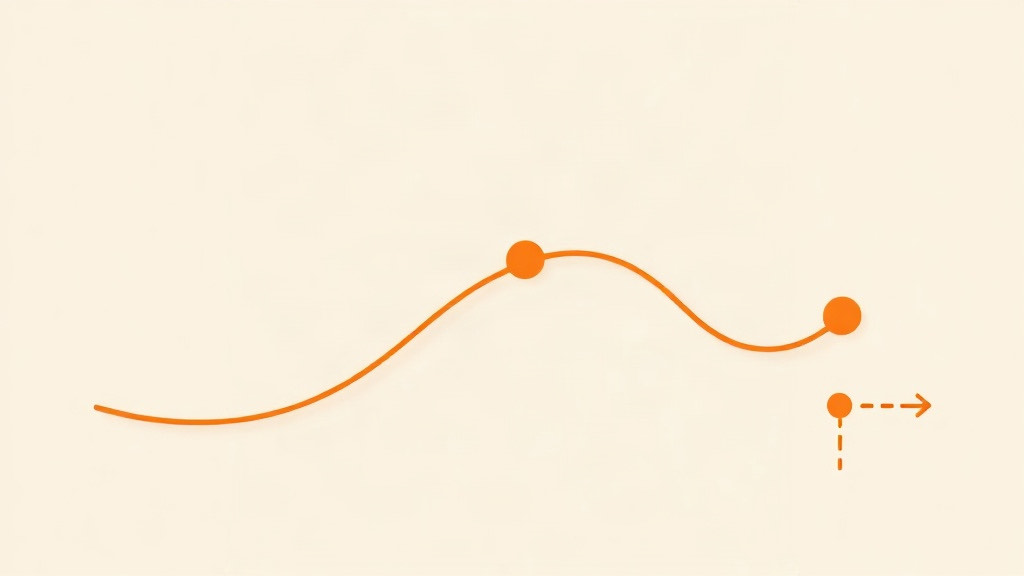
Tirzepatide Half-Life: What Happens Between Shots
The five-day half-life behind Mounjaro and Zepbound, and why steady state takes about a month.

GLP-1 Titration Schedules Explained, Medication by Medication
Every major dose ladder in one place, and why the slow climb exists in the first place.

Missed Your GLP-1 Dose? What the Official Guidance Says
The manufacturer rules for late semaglutide and tirzepatide doses, summarized with sources.
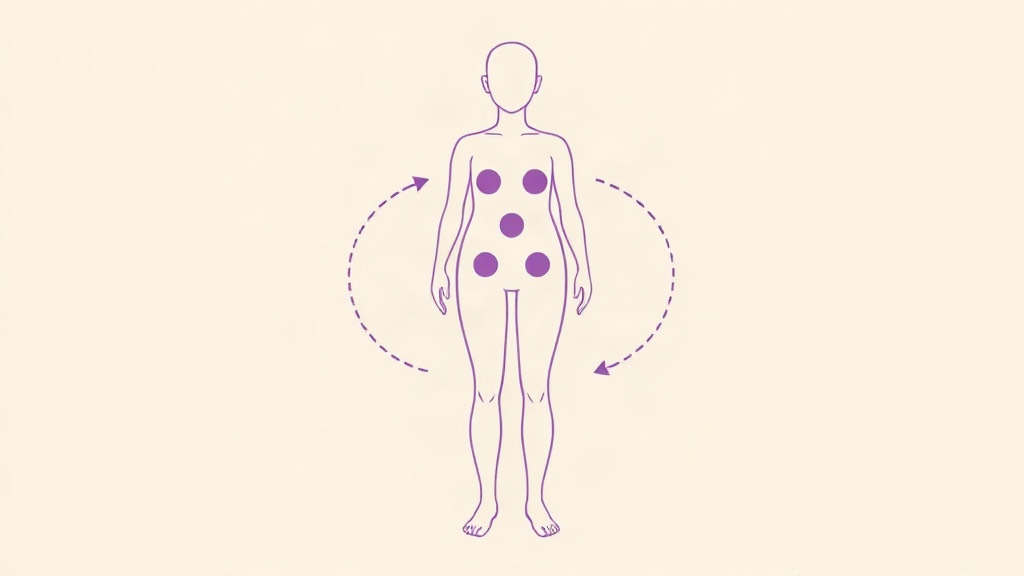
GLP-1 Injection Site Rotation: Why It Matters and How to Track It
Abdomen, thighs, upper arms: what rotation prevents, and a simple system for remembering.

The Gila Monster Behind GLP-1 Drugs (and Our Mascot, Gigi)
How a venomous desert lizard led to exenatide and everything after it. A true story.
Living on a GLP-1

Your First Week on a GLP-1: What to Expect and What to Track
Day by day through week one: appetite shifts, common effects, and a baseline worth recording.

Coffee on a GLP-1: What Changes and What to Track
No interaction to worry about, but caffeine and slowed digestion can rub against each other. Plus the Rybelsus rule.

Eating Out on a GLP-1: Ordering for a Smaller Appetite
A smaller appetite in a room built for large portions. Ordering strategies that do not require a lecture.

Meal Prep for GLP-1 Weeks: Small Portions, High Protein
Prep in small protein-dense units rather than four identical dinners, because appetite varies by the day.

Electrolytes on a GLP-1: When Water Alone Is Not Enough
Most people do not need them. Here is when water alone genuinely falls short, and who should ask first.

Supplements on a GLP-1: What to Ask Your Clinician About
Eating much less means taking in less of everything. What the data shows and what to ask about.

GLP-1s and Blood Sugar: When Lows Become Possible
A GLP-1 alone rarely causes lows. Combined with insulin or a sulfonylurea is a different conversation.

High-Protein Breakfasts That Fit a GLP-1 Appetite
Morning is where the daily protein target quietly gets lost. Density beats volume when appetite is small.

Protein Shakes on a GLP-1: When They Help
Genuinely useful when chewing a meal is unappealing. What independent testing says about quality.

How to Track GLP-1 Side Effects (and What to Show Your Doctor)
Severity scales, dose-day patterns, and turning a month of nausea notes into a useful consult.

Nausea on GLP-1s: The Patterns Worth Tracking
When it peaks, what tends to help, and the triggers a two-week diary usually reveals.

Protein Goals on GLP-1s: Protecting Muscle While Losing Weight
Why appetite suppression puts muscle at risk, and how a daily protein number defends it.

Why Hydration Matters More on a GLP-1
Thirst signals fade with appetite. What the guidance says, and easy ways to hit your water goal.
Fiber, Constipation and GLP-1s: The Unglamorous Number
Slower digestion changes everything downstream. Foods, fluids and the fiber goal worth logging.

Food Noise: What It Is and How GLP-1s Change It
The constant mental chatter about food, why it quiets on these medications, and what fills the silence.

Hit a Plateau on a GLP-1? What Your Data Can Tell You
Plateaus are normal physiology, not failure. How weeks of logs help you and your doctor read one.

What to Log Every Day on a GLP-1: A Two-Minute Routine
Weight, protein, water, and how you feel. The minimal routine that keeps data useful without obsession.

Traveling with GLP-1 Medication: Storage, Time Zones, Schedules
Refrigeration rules, airport security, and keeping a weekly shot on schedule across time zones.

Make Your Next Appointment Count: Bringing Data to the Doctor
The five questions prescribers ask, and how tracked doses and side effects answer them in seconds.

GLP-1 Tracking and Apple Health: Better Together
What syncing weight, steps and water adds to your dose log, and how permissions keep you in control.

Alcohol on a GLP-1: What to Know and What to Track
Slower stomach emptying changes how a drink lands, and why many people want fewer of them.

Sick Days on a GLP-1: Vomiting, Dehydration and When to Call
A stomach bug lands differently when your appetite is already suppressed. The red flags worth knowing.
GLP-1s Before Surgery: Why the Anesthesia Team Asks
Blanket hold rules gave way to individual assessment in 2024. What your care team actually needs from you.

Heartburn and Reflux on a GLP-1: Patterns Worth Tracking
Why slowed digestion can push acid the wrong way, when it tends to ease, and what to log.

Tired on a GLP-1? Tracking Energy Alongside Your Doses
Fatigue on a GLP-1 is usually about what you are eating and drinking, not the drug itself.

Headaches on a GLP-1: The Hydration Connection
The most common cause is also the most fixable. What to check first, and the red flags.

Dizziness on a GLP-1: What Your Log Can Reveal
Lightheaded standing up? When it happens matters more than that it happened.

Hair Shedding During Rapid Weight Loss: What the Data Says
Usually temporary telogen effluvium triggered by the weight loss, not the medication damaging follicles.
Gallbladder Symptoms on a GLP-1: What to Watch For
Gallstones are a known risk of rapid weight loss. The symptoms that mean call today, not next week.

Severe Abdominal Pain on a GLP-1 Is Never a “Wait and See”
Ordinary GI side effects and something serious can start the same way. Why that makes waiting the wrong instinct.

Needle Anxiety and Weekly Shots: Practical Approaches
Dreading the shot is common and not a character flaw. What actually helps, and when to tell your clinician.
Bruising at Injection Sites: Normal, Preventable, or Neither?
Usually minor and usually not your fault. What reduces it, and the signs that need a clinician.
Holidays on a GLP-1: Tracking Through Feast Season
A suppressed appetite meeting a table built for abundance, and people who notice. No guilt required.

A GLP-1 Grocery List: Staples for Small, Protein-First Meals
A shopping list shaped by a small appetite: protein and fiber dense per bite, easy on a low day.
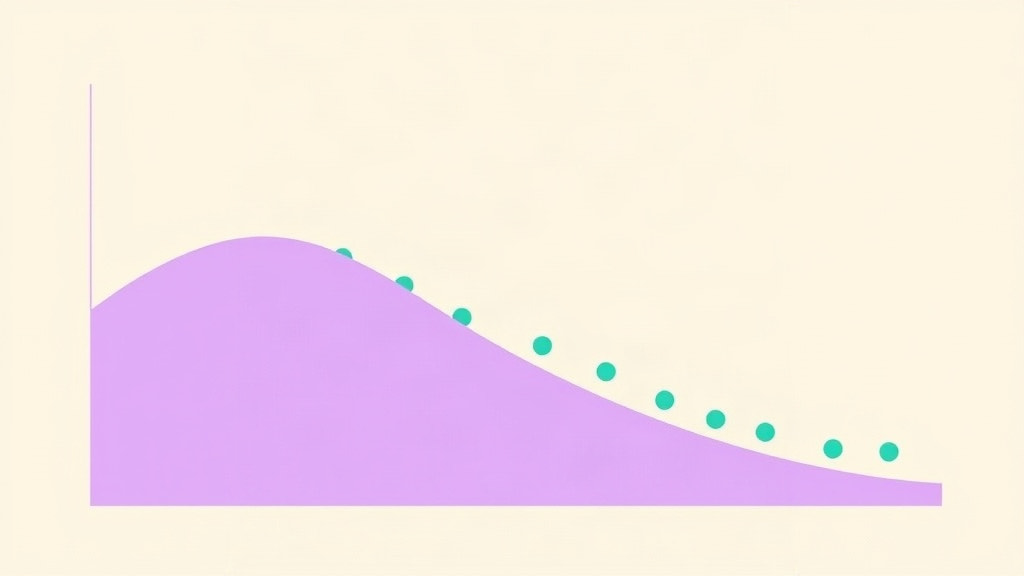
Daily or Weekly Weigh-Ins on a GLP-1? Both Work, Differently
Daily swings are bigger than most people expect. Neither cadence is correct, but the trend is.
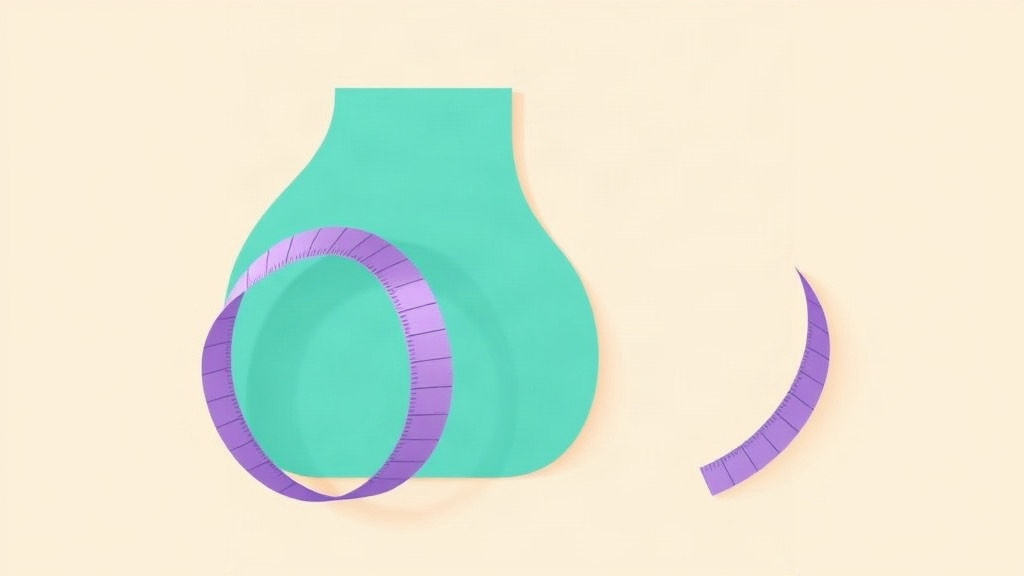
Beyond the Scale: Measurements Worth Tracking on a GLP-1
The scale can stall for weeks while measurements keep moving. How to measure and how often.

Non-Scale Victories: The Progress Your Scale Misses
Weight is one noisy number. The things it misses are often the ones you actually feel.

Starting Exercise on a GLP-1: Gentle, Consistent, Tracked
The official numbers read as intimidating from a standing start. The guidelines themselves say start small.

Two Days of Strength Training: The GLP-1 Muscle Insurance
Reviews report a meaningful share of GLP-1 weight loss comes from lean mass. Two days a week is the floor guidelines name.

Sleep and GLP-1 Weight Loss: The Overlooked Variable
The hormone story everyone repeats is less settled than it sounds. What is better supported is simpler.

Stress, Appetite and GLP-1s: Reading Your Own Patterns
Physical hunger and stress eating have different roots. The medication only quiets one of them.

Maintenance Mode: Tracking After You Reach Goal Weight
Reaching the goal is not the end of the story. What the regain studies actually found.

Medication Shortages: Tracking Through Supply Gaps
The national shortages are over. Local gaps at your own pharmacy are a different problem.

Prior Authorizations: How Your Dose Log Helps the Paperwork
Your prescriber submits the paperwork. Your job is accurate history, and a dose log is exactly that.

Sharps Disposal at Home: Simple and Legal
Used pen needles cannot go in the trash. What an FDA-cleared sharps container is, the fallback some programs suggest, and why the disposal route depends on your county.
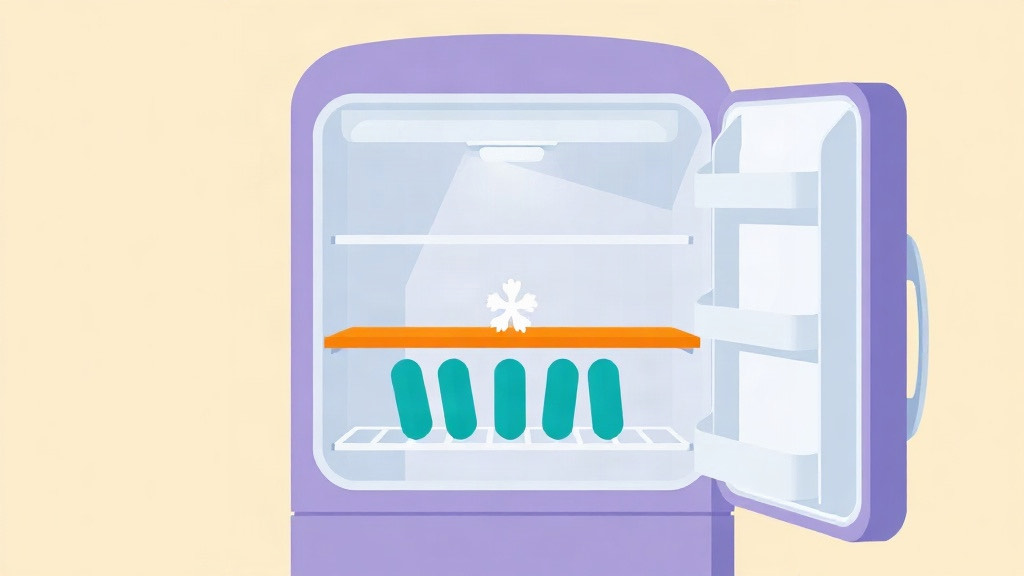
Storing GLP-1 Pens: Fridge Habits That Prevent Waste
Where in the fridge a pen actually belongs, why the door is the worst shelf, why freezing is the one unrecoverable mistake, and how a first-use date prevents waste.

Left Your Pen Out Overnight? How to Think It Through
You found the pen on the counter this morning. The two questions that actually decide the answer, and why only your label and your pharmacist can settle it.

Flying Internationally with GLP-1 Medication: Documents and Rules
Customs is a different problem from the TSA line. The prescriber letter, the generic names, and the embassy check to do before you fly.
Time Changes and Daily GLP-1s: Does One Hour Matter?
Your phone changes itself, so the reminder does not move. What the twice-yearly hour actually affects, why weekly shots are untouched, and the one medication worth a thought.

Tracking a Family Member’s GLP-1 Journey, With Consent
The log belongs to the person taking the medication. What consent looks like in practice, and the three arrangements that actually work when an app has no sharing and no sync.
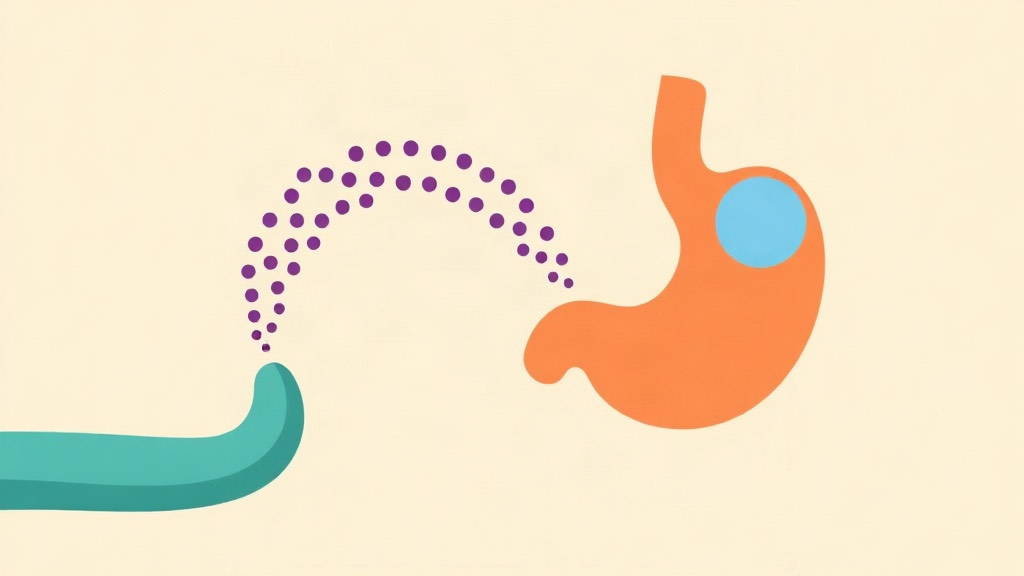
What Is GLP-1, the Hormone Behind the Headlines?
Your gut already makes GLP-1. It survives less than two minutes before an enzyme takes it apart, which is exactly why the medications had to be built the way they are.

GIP and Glucagon: Why Newer Drugs Hit More Than One Receptor
One key, several locks. What GIP is, why activating the glucagon receptor is not the contradiction it sounds like, and why more receptors is not automatically better.
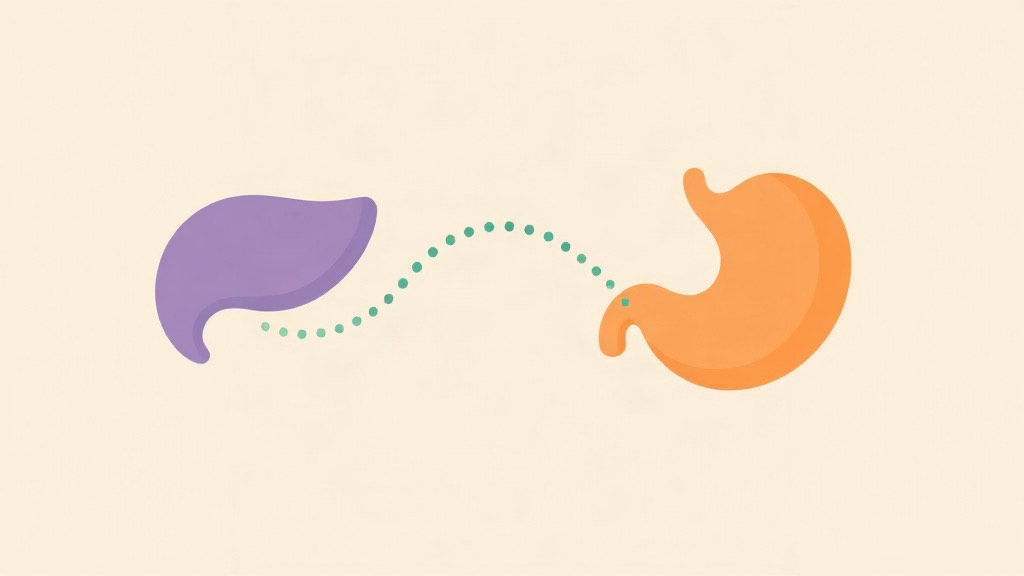
Amylin Analogues: The Other Fullness Hormone
The pancreas releases it alongside insulin, and it does three of the same jobs GLP-1 does. Why an analogue has existed since 2005 and why making it last was the hard part.
Steady State in Plain English: Why Week Five Feels Different
Week one can feel like nothing is happening and week five like something changed, with no dose change in between. Steady state is the reason, and it reframes the question.

Why Some GLP-1s Are Weekly and Others Daily
The schedules look arbitrary until you line them up against the half-lives, and then they look inevitable. What albumin binding has to do with your Sunday shot.

Semaglutide vs Tirzepatide: The Differences That Matter for Tracking
One molecule engages one receptor, the other engages two. The ladders, the windows and the one head-to-head trial, with what it does and does not tell you.

Hunger and Fullness on a GLP-1: Reading Signals That Changed
Most people track hunger and ignore fullness until it is uncomfortable. What a GLP-1 changes is the timing of a signal that was already slow, and the fork usually gets there first.
Tirzepatide and the Pill: What the Label Says About Birth Control
The Mounjaro and Zepbound labels carry a specific instruction for anyone on the pill: a 4-week window after starting and after every dose increase. What it says, and how a dose log shows exactly when each window starts.

“Ozempic Face”: What Is Actually Happening
The popular term describes facial volume loss that follows rapid weight loss of any kind. Not a direct drug effect, not unique to Ozempic, and not a reason to change medication on your own.

Burping, Bloating and Gas on a GLP-1: Patterns Worth Tracking
Belching, bloating and gas are recognized GI reactions on GLP-1s, sulfur burps included. The commonly offered explanation, what to log, and the red flags that mean care today.

Ozempic vs Wegovy: Same Molecule, Different Rules
Same molecule, two brand names, two rule sets. Different approved uses, different dose ceilings, different missed-dose windows, and why logging the brand matters.

Diarrhea on a GLP-1: Patterns Worth Tracking
Why a medication that slows the stomach can still cause diarrhea, what the timing tells you, and the dehydration red flags that mean calling today rather than waiting.

The Week After a Dose Increase
The step up is one date in your log. This is the week that follows it: what tends to come back, what tends to settle, and what to write down.

What a Portion Looks Like on a GLP-1
Old portions stop working. What to actually put on the plate when the stomach has room for very little, protein first, without turning it into a diet.

How to Read a Weight Trend Line
One weigh-in says almost nothing. How to turn a week of noisy readings into a trend you can actually read, with a worked example you can do by hand.

Why Food Tastes Different on a GLP-1
Altered taste is listed on the Mounjaro, Zepbound and Trulicity labels. What is documented, what people commonly report, and when it becomes a prescriber conversation.
Restarting a GLP-1 After a Break
A missed dose is one question. A gap of several weeks is a different one, and which dose you restart on belongs to your prescriber, not to a guess.

How Multi-Dose Pens Work, and Counting What Is Left
How many doses an Ozempic, Saxenda or Victoza pen actually holds, why Mounjaro and Zepbound pens usually hold one, and why a pen is done when its labeled doses are.

Month by Month: What GLP-1 Results Actually Look Like
Trials report different headline numbers, measured over different lengths and counted different ways. So here is the shape of the year instead, without a single percentage.

Loose Skin and Rapid Weight Loss
What actually determines how much skin stays loose, why the usual advice to lose weight slowly is weaker than it sounds, and why we recommend no product or procedure.

Zepbound and Sleep Apnea: What the Indication Covers
The FDA approved Zepbound for moderate-to-severe obstructive sleep apnea in adults with obesity in December 2024. What the indication covers, and what it does not replace.

GLP-1s and Your Other Pills: What the Labels Say About Timing
The reassuring headline first: for injectable semaglutide the labeling reports no clinically relevant effect on absorbing what you swallow. Then the two real exceptions.

The Five-Minute Weekly GLP-1 Review
Daily logging catches the moment; a weekly look catches the pattern. A fixed five-minute checklist, and what to do with what you find, which is usually nothing.

Progress Photos That Actually Show Progress
Same place, same light, same pose, every few weeks. A protocol that makes photos comparable, and why comparing the first with the latest beats scrolling through all of them.

Not Responding to Your GLP-1? What the Trials Call It
Losing little from the start is a different question from a plateau, and many people who think they are not responding are simply early. What to bring to the prescriber.

Cooking for a Family When Your Appetite Shrank
One meal, two appetites, and no separate cooking. Plating your portion first, family-style serving, leftovers, and handling comments at the table.

Snacks That Earn Their Place on a GLP-1
A snack earns its place when it is planned, small and protein-forward. What that looks like between meals, and why not snacking at all is often the right call.

Shift Work, Weekends and a Weekly Shot
Rotating shifts and irregular weekends do not fit a calendar convention. Anchoring a weekly shot to your own week, and what the label windows allow when it slips.

When to Take a Break From Tracking
Logging fatigue is real. What to keep even on a break, what can safely pause, and how to come back without trying to backfill weeks.

Exporting Your GLP-1 Data: What It Is For
What a Premium export contains, CSV or JSON, and what it is for. And what it is not: the app cannot import an export back in, so it is a copy, not a transfer.

What Happens to Your Log If You Lose Your Phone
The log lives on your phone and nowhere else, which cuts both ways. What a device backup carries, what comes back on a new phone, and the two checks worth doing today.
Can You Use a Pen Past Its Expiration Date?
Every pen runs two clocks: the printed expiration date and the in-use window that starts at first use. Which one governs, what the date promises, and why a normal-looking pen can still be past it.

When a Dose Does Not Deliver: Pen Problems, Decoded
A counter that did not reach zero, a needle that gave nothing, a drop on the skin. What each kind of pen actually tells you, and why an uncertain dose is a question for the pharmacist rather than a second injection.

GLP-1s and Insulin: Different Jobs, Sometimes Together
Two injected medicines that get confused constantly. What insulin does, what a GLP-1 does, why one cannot replace the other, and what changes when they are prescribed together.
Metformin Plus a GLP-1: The Most Common Pairing
The most common pairing in type 2 diabetes, and the one that makes a titration week hard to read: both medicines can cause nausea. What each does, and the B12 question worth asking.

Generic Liraglutide: The First Generic GLP-1
The first generic GLP-1 arrived in 2024, and it was liraglutide, not semaglutide. What generic actually means here, the authorized-generic wrinkle, and where semaglutide stands today.
Delayed Gastric Emptying vs Gastroparesis: Reading the Label
The label says these medicines delay gastric emptying. It does not say they cause gastroparesis. The difference between a mechanism and a diagnosis, in the label's own words.

Joint Pain on a GLP-1: What Is Reported
Joint pain is not listed in the labels for these medicines, and one trial found the opposite for knee osteoarthritis. What is actually reported, what else explains it, and what is worth logging.

Always Cold on a GLP-1?
Not in any of the labels, reported constantly, and usually explained by the weight loss rather than the medicine. What fits, what is worth mentioning at an appointment, and what to log.

Blood Work on a GLP-1: Numbers Worth Keeping
Pancreatic enzymes rise on these medicines, and the label says the significance of that is unknown without symptoms. What the labels say about lab work, and what guidelines describe as usual practice.

GLP-1s and Your Kidneys: Why Dehydration Is the Risk
Every label warns about acute kidney injury from volume depletion, and the route is dehydration rather than the kidney itself. That risk, the sick days that matter, and the FLOW result now in Ozempic's label.

GLP-1s and the Heart: What the Outcome Trials Showed
Wegovy, Ozempic and Trulicity each carry a cardiovascular indication; Zepbound does not. What the outcome trials actually showed, and how to read a 20 percent reduction honestly.

GLP-1s and Fatty Liver: What the Trials Report
Wegovy injection now carries an FDA indication for noncirrhotic MASH with F2 to F3 fibrosis. What the week 72 biopsy results showed, what accelerated approval commits the manufacturer to, and why the placebo arm changes how you read 63 percent.

Why Weight Loss Always Slows Down
A smaller body costs less to run, and something past body size shifts too. What the research agrees on, what it is still arguing about, and why damage is the wrong word for any of it.

DPP-4 Inhibitors: The Other Way to Raise GLP-1
Januvia and its siblings act on the same hormone system as Ozempic and produce completely different results. The whole difference is how much GLP-1 reaches the receptor.

GLP-1 Words Decoded: A Plain-English Glossary
Titration, steady state, boxed warning, off-label, MACE. The words that turn up on a label or a pharmacy printout, defined once and linked to the articles that go deeper.

GLP-1s After 65: What Changes
The labels report no overall difference by age and set no different dose after 65. They also rest on trials where 1 percent of Wegovy patients and half a percent of Zepbound patients were 75 or older, plus one fracture finding worth reading in full.

GLP-1s and Pregnancy Planning: What the Labels Say
The two month instruction is on the semaglutide labels. The tirzepatide labels say something different. A strict summary of what the prescribing information covers, and what it leaves to the prescriber.

Creatine on a GLP-1: What the Evidence Says
An evidence summary with two things the creatine literature never mentions: loading moves the scale by kilograms of water, and creatine nudges a creatinine reading that a clinician may be watching.

When Food Was Your Whole Social Life
Some people arrive on a GLP-1 having been the host, the baker, the one who knew every restaurant. When appetite goes quiet, the role built on top of it can go quiet too, and that loss is real even when the weight loss is wanted.

Mounjaro vs Zepbound: Same Molecule, Different Labels
Same molecule, same manufacturer, same weekly ladder, two different sets of approved uses. What each tirzepatide label covers, what is identical underneath both, and why almost none of it changes the tracking.

The Boxed Warning on Your GLP-1 Label, Explained
The page you want at 11 pm after finding the words thyroid C-cell tumors on a leaflet. What the box actually says, why the human question is open, who the contraindication excludes, and the four symptoms the label lists.

GLP-1s and Your Eyes: Where the Regulators Disagree
European regulators list a rare eye condition as a very rare side effect of semaglutide. The US labels do not mention it at all. Both positions are defensible, and the arithmetic behind the numbers is the part worth learning.

GLP-1s and Mood: What the Regulators Concluded
Reports of suicidal thoughts in 2023 triggered formal reviews on both continents. Both are finished. What each one examined, what changed on the labels, and the line a population finding cannot cross.

Eating Too Little on a GLP-1: Why It Happens and What to Watch
A medicine that turns appetite down works exactly as intended, and the same effect makes it easy to drift into eating far too little for months without noticing. What tends to show first, and why appetite cannot be the signal any more.

What GLP-1s Are Actually Approved to Treat
Every approved indication across eleven GLP-1 products in one table, read off the current labels. Which product carries the liver indication, which carries sleep apnea, which carries kidney, and what off-label actually means.

Wegovy Tablets: What Changes When Semaglutide Is a Pill
Semaglutide for weight management now comes as a daily tablet as well as a weekly injection, on the same label, with a different ladder and one fewer indication. The empty-stomach rules, the four-step climb, and what a daily cadence changes.

Do I Have to Keep Increasing My Dose?
The printed ladder looks like an itinerary everyone is expected to finish. Read the label language and almost every step up is conditional, several maintenance doses are ranges, and the route back down is printed too.

Does the Time of Day You Inject Matter?
For the weekly injections the labels say any time of day, with or without meals. The day matters, the hour does not. The exceptions are the oral products, and they do not agree with each other.

Do GLP-1 Pens Need Separate Needles?
Some pens arrive with the needle built in and hidden. Some need a fresh screw-on needle every single time. One ships its needles in the carton. The answer depends entirely on which device you were handed.

Do I Have to Tell People I Am on a GLP-1?
A prescription is a private medical fact, and who hears about it belongs to the person holding it. The few disclosures that genuinely are owed are clinical, not social.

GLP-1s and Breastfeeding: What the Labels Say
The lactation sections divide into three groups, and the grouping is surprising: the tablets restrict nursing for a reason that has nothing to do with semaglutide, and one pair of injections carries real human milk measurements while the rest carry none.
Byetta and the Short-Acting GLP-1s
The oldest medicine in the class behaves nothing like a weekly injection. Exenatide clears in hours, which explains the twice-daily cadence, the meal anchoring, and why there is no reservoir to miss a dose out of.

GLP-1s and SGLT2 Inhibitors: Two Different Jobs
Jardiance and Farxiga treat the same disease from an entirely different direction: they send glucose out in the urine. Different organ, different indications, different warnings, and often prescribed alongside a GLP-1 on purpose.

GLP-1s and Blood Pressure: What the Trials Measured
Blood pressure falls on these medicines by a modest, measured amount that the labels print in their trial tables. Heart rate goes up at the same time. Both numbers sit in the same tables, and neither is a reading about you.

Why Your Resting Heart Rate May Be Higher
A wearable shows a resting heart rate a few beats higher than it used to be. The labels address this directly, with numbers, a distribution that also shows up on placebo, and one sentence admitting the clinical relevance is uncertain.

Diabetic Retinopathy and GLP-1s: What the Label Warns About
This is the eye warning that IS on the US labels, and the risk in the trial concentrated almost entirely in people who already had diabetic retinopathy. The mechanism the label names is rapid glucose improvement, not the drug.

Foods That Commonly Sit Badly on a GLP-1
No label names a trigger food, and this article says so. What the labels do establish is slowed gastric emptying, and the patterns people report all follow from it. The useful skill is testing one food at a time, not cutting out six groups.

Lumps, Itching and Injection-Site Reactions
The rates differ sharply across the class, from 0.2 percent on Ozempic to 6 to 8 percent on Zepbound. And both tirzepatide labels report something unexpected: whether your body made antibodies to the drug predicts these reactions by about tenfold.

How to Set a Realistic Goal Weight on a GLP-1
A trial average is the centre of a wide spread, computed on the people who stayed, measured at an endpoint that took well over a year to reach. All three facts change what it is fair to do with the number.

Carbs and Fat on a GLP-1: The Other Two Macros
Protein has a published target and the other two thirds of the plate have none. What fat actually does on a medicine that already slows the stomach, and why fiber is the macro that quietly disappears when portions shrink.

Why You Are Hungrier Right Before Shot Day
Appetite quiet on Monday, noticeably louder by Thursday. The pharmacology is real, and so are the three other explanations that land on the same day of the week. The useful part is that the pattern is testable.

Comparing Your Progress to Other People Online
A feed is the top tail of a distribution with the timeline removed. People post transformations rather than plateaus, the fastest responders post most, and month fourteen gets compressed into two images.

Rapid Weight Loss and Your Bones
Only one label in the class reports fracture data at all, and the research outside the labels genuinely disagrees with itself. Here is what can be said with confidence, and what cannot.

Kidney Stones on a GLP-1: What One Label Reports
Gallstones are on every label in the class. Kidney stones are on exactly one. The Wegovy label reports urolithiasis at 1.2 percent against 0.8 percent on placebo, and the other labels say nothing at all.
Hitting Protein Goals Without Meat
On a GLP-1 the constraint is volume, so the number that matters is protein per 100 grams of food. Tempeh and firm tofu carry roughly twice what lentils, chickpeas or black beans do for the same weight on the plate.

Late-Night Eating on a GLP-1
Evening lands on a stomach that is still emptying from earlier, and the appetite that shows up at ten at night is usually not hunger in the simple sense. No cut-off times here, and no moralising.

Free Versus Premium: What You Get, and What Never Gets Paywalled
Every logging path is free: doses, weights, side effects, reminders, photos, Apple Health import, no account. Premium adds depth on top, and the history limit is a window on what is shown rather than a deletion.

GLP-1s in an Outage or Evacuation
The power goes out, or you have an hour to leave. Most of these products have a room-temperature allowance measured in weeks, so the thing that ends a pen is freezing, heat or the clock, not a quiet fridge for an evening.

Mail Order and 90-Day Supplies
A refrigerated medicine arriving in a box is a different proposition from one handed over a counter, and the handover is the part nobody explains. The arrival check, the clock that starts, and what a lot number is for.

GLP-1 Telehealth: Questions to Ask Before Signing Up
Telehealth is a legitimate route to care and plenty of people get good care this way. The questions here are not about catching anyone out, they are about knowing what a real prescribing relationship involves.

Questions to Ask Before Filling at a Compounding Pharmacy
The regulatory ground under compounded GLP-1s has moved repeatedly since 2024, and it is still moving. Here is the dated record, the difference between a 503A pharmacy and a 503B facility, and the questions worth asking.

Coverage Denied: How the Appeals Route Works
A first denial is often not the end of the process, and the prescriber's office usually handles more of it than patients expect. What a formulary exception, an appeal and an external review each are, in general terms.

Keto, Fasting and Other Diets on a GLP-1
A medicine that already reduces intake plus a diet that also reduces intake is two restrictions stacked, and the second is doing less than people assume while costing more than they notice. No diet is endorsed here and none is condemned.

GLP-1s and Prediabetes: Where the Evidence Stands
The evidence is substantial and the indication does not exist. No GLP-1 label mentions prediabetes at all, while trial analyses consistently report fewer people crossing into diabetes on the medicine than on placebo.

GLP-1s and PCOS: What the Studies Show
No GLP-1 label mentions PCOS, the published work is small and mostly uncontrolled, and clinicians prescribe on it anyway. The most useful thing on this page is a label fact about contraception.

GLP-1s and Adolescents: What the Labels Allow
Two clean rules fall out of the labels: on the diabetes side the pediatric floor is 10, on the weight side it is 12. And the brand matters more than the molecule, because tirzepatide is established in children only as Mounjaro and semaglutide only as Wegovy.

GLP-1s and Cholesterol: What the Trials Measured
People expect LDL to fall dramatically. The trial tables say triglycerides moved the most by a wide margin, HDL rose modestly, and total cholesterol and LDL moved only a few percent with some intervals crossing zero.

How to Read Your GLP-1's Prescribing Information
The label is navigable once you know what lives where. Section by section, what each one answers, plus the reading habits that stop people misreading it: read the placebo column, and remember an absence is not a finding.

How Shot-Day Reminders Work Without an Account
The reminder is scheduled by the app on the phone and fires from the phone. There is no account and no server, so no record of your medication schedule exists anywhere else. The overdue alert is the more useful half.

Saved Meal Templates: Logging Repeat Meals in Seconds
Food logging dies at the fortieth identical breakfast. A quiet appetite narrows the menu, which is exactly when a small library of saved meals pays off.

When the Data and How You Feel Disagree
The scale is flat but everything else improved, or the scale is falling and you feel worse. Two different situations, and only one of them is benign.

Injecting Away from Home: Work, Restaurants and Airplanes
The label settles more than most people expect: three sites, and the site can change without any change to the dose. The used needle is the real problem.

When to Reorder So You Never Run Out
Four weekly doses to a box is 28 days. A month is 30 or 31. Reorder monthly and the refill drifts later every cycle until it arrives after the dose was due.

GLP-1s After Bariatric Surgery: What the Labels Actually Say
Across five labels the phrase bariatric surgery appears exactly once, inside a hypoglycemia warning, and the number behind it rests on two events.

Dry Mouth on a GLP-1: What the Labels Report
Two of the five major labels list dry mouth and three do not mention it at all, including one label for the same molecule as a label that does.

What the Trial Subgroups Say About Sex and Weight Loss
Every label says weight loss happened irrespective of sex. None publishes a separate average for men and women. Where they do split by sex, it is adverse reactions.

Between Sizes: Clothes and a Changing Body
Clothes stop fitting repeatedly, and every stage asks a question about money and about identity. The stages have a shape worth knowing in advance.

I Dropped My Pen: Is It Still Safe to Use?
Most labels in the class address a dropped pen directly, and whether the medicine looks wrong depends on which medicine it is.

Collagen on a GLP-1: What the Evidence Supports
Two reviews a year apart looked at much the same trials and left opposite impressions. The difference is what each one filtered for.

Donating Blood While on a GLP-1
Zero mentions of donation across eight labels, and no entry for these medicines in the published donor criteria. The gates are the ordinary ones.

Kidney or Liver Impairment: What the Labels Say About Dosing
Most labels say no dosage adjustment for kidney or liver impairment. The exceptions are the interesting part, and Wegovy has no such subsection at all.